
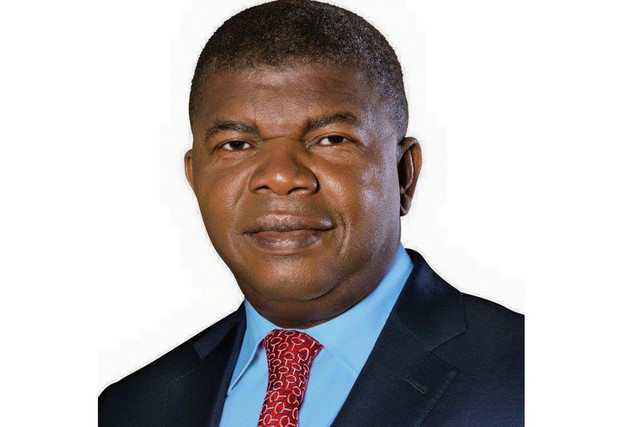
President João Manuel Gonçalves Lourenço
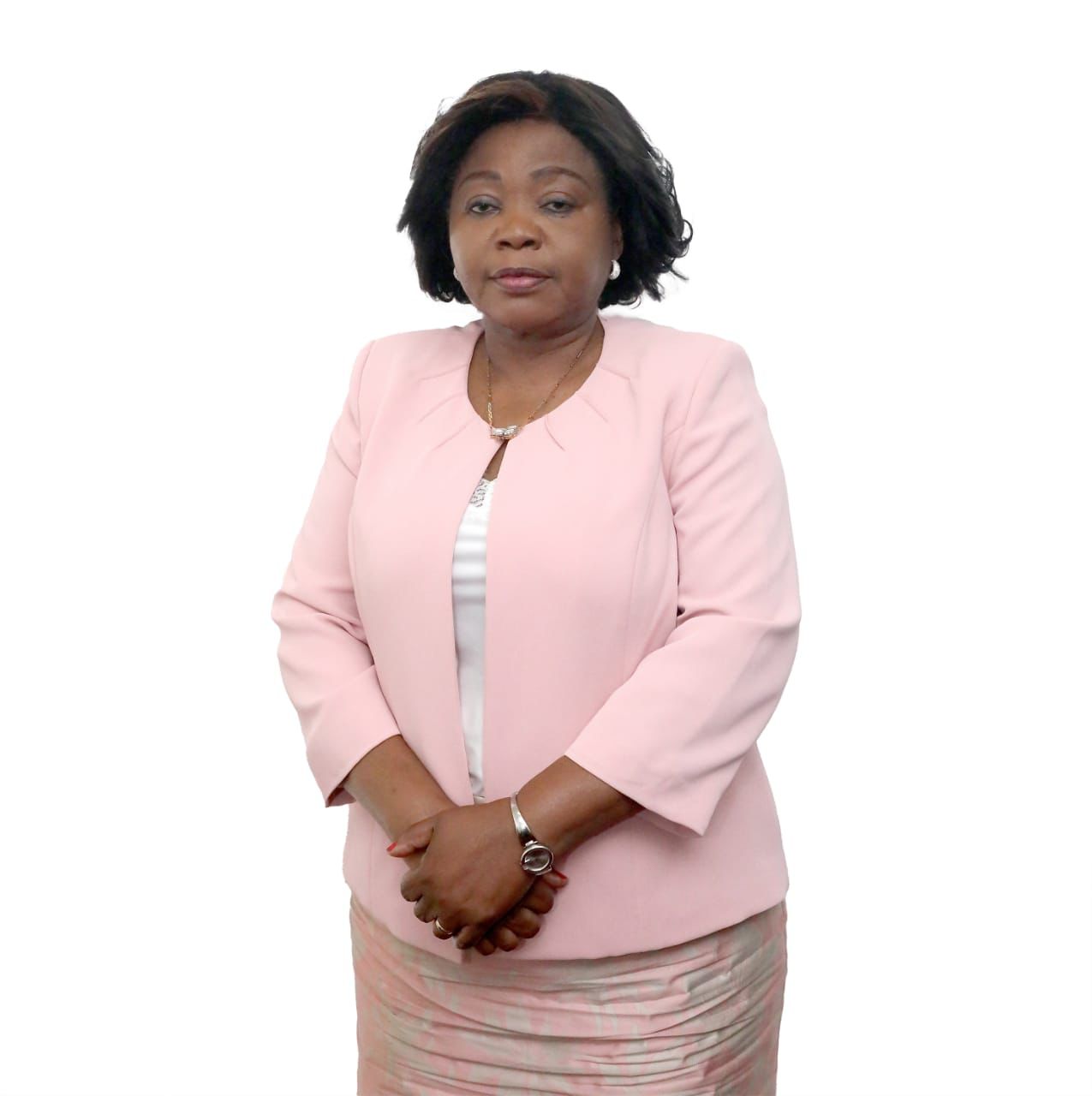
Vice President Esperança Maria Eduardo Francisco da Costa
Note – the president is both chief of state and head of government
Cabinet: Council of Ministers appointed by the president
Ministers: https://governo.gov.ao/ao/governo/ministros/
Country name: Republic of Angola (Republica de Angola)
Government type: republic; multiparty presidential regime
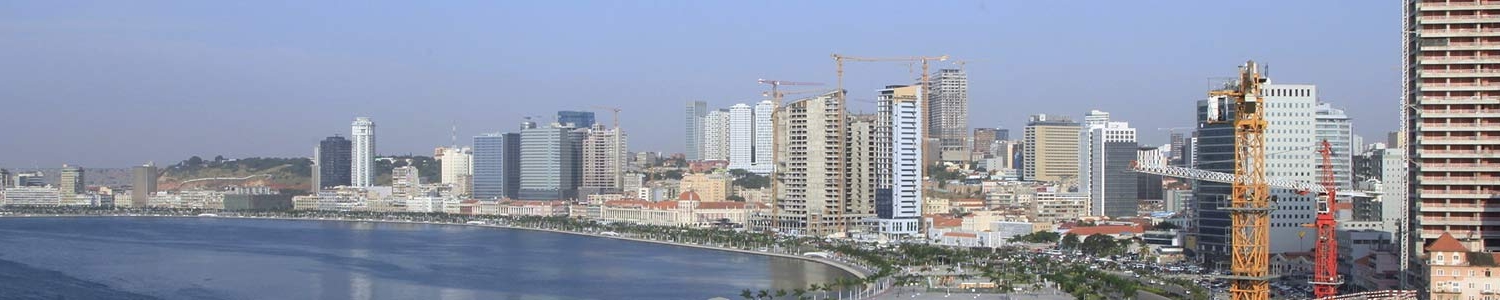
Capital: Luanda
Administrative divisions: 18 provinces (provincias); Bengo, Benguela, Bie, Cabinda, Cuando Cubango, Cuanza Norte, Cuanza Sul, Cunene, Huambo, Huila, Luanda, Lunda Norte, Lunda Sul, Malanje, Moxico, Namibe, Uige, Zaire
Independence: 11 November 1975 (from Portugal)
Constitution: latest passed by National Assembly 21 January 2010, adopted 5 February 2010
Legal system: based on Portuguese civil law system and customary law; recently modified to accommodate political pluralism and increased use of free markets
Suffrage: 18 years of age; universal
Elections: elections/appointments: the candidate of the winning party or coalition in the last legislative election becomes the president; president serves a 5-year term (eligible for a second consecutive or discontinuous term); last held on 23 August 2017 (next to be held in 2022)
Legislative branch: unicameral National Assembly or Assembleia Nacional (220 seats; members elected by proportional vote to serve five-year terms)
Judicial branch: Supreme Court and separate provincial courts (judges are appointed by the president)
Main political parties: MPLA, UNITA, PRS, ND, FNLA